India Top-Floor Flat Cooling & Heat Wave Kit (2026)
A 10-chapter kit you read online or print, with a sizing spreadsheet, for households on the top floor of an Indian building who want the roof dealt with before the tonnage, the AC and the ceiling fan set to cost less, and a written plan for the heat wave week and its power cuts.
- 10chapters
- 21worksheets and tables
- 57checklist items
- 7official sources cited
Checked before every release
- 54automated testsrun at every release: prices, links, pages and data checked before publication.
- 7primary sourcesevery rule and number linked to the official text, for you to open.
- November 7, 2026editionrules and numbers checked on this date, updated when a text changes.
Built from the texts and data of Bureau of Energy Efficiency (India), ASHRAE.
On the top floor, the AC is not fighting the room, it is fighting the roof: a concrete slab that stores the afternoon sun and gives it back into the bedroom at night. The money goes on a machine a size too big, on a fan left off at 18 °C, and on a home inverter that cannot carry the AC when the heat wave brings its cuts. This kit treats the roof first, sizes honestly, and writes the plan down.
The cool roof criteria are quoted from the Telangana Cool Roof Policy 2023-2028, the 24 °C default and the 1,600-hour label basis from the Bureau of Energy Efficiency, the heat wave criteria from the India Meteorological Department, the household guidance from the NDMA, the fan effect from ASHRAE Standard 55, and the indoor effect of cool roofs from a measured Ahmedabad study (PubMed 32435111). Every calculation is shown; tariffs are calculation points, never a state tariff, and quotes are labelled example inputs. We do not install or sell air conditioners, roofing or backup equipment and take no commission.
€19
Get the guide, €19Read chapter 1 free- 10 chapters (about 8,600 words): the roof check, the roof treatments, the tonnage uplift, the false ceiling, the ceiling fan with the AC, the cost at your slab rate, the heat wave plan, power backup, the questions for the installer, ten worked scenarios
- 21 worksheets and reference tables, including the top-floor tonnage table by area and roof, the four-night meter test for the fan and two degrees, the roof contractor quote sheet and the backup worksheet
- Ten worked scenarios with every calculation shown: tonnage under a bare and a coated roof, the fan and two degrees measured, a hall with west glass, the monthly bill, a 4-hour cut, fans on the existing inverter, a society DG limit, one cool room in a heat wave
- One spreadsheet (CSV: Excel, Google Sheets): the room-by-room sizing worksheet, which applies the roof, west glass and people corrections and the rounding rule
Instant access: right after payment your guide opens in your browser; print it or save it as a PDF. €19, paid once, no subscription.
As described, or refunded in full · written into our terms of sale
Secure checkout by Stripe (card, Apple Pay, Google Pay), one-time payment with no subscription, instant access. Refund policy
What you get
- The roof check: what the slab does hour by hour, where the heat comes from on a top floor, the eight checks to do on a hot day and your roof record.
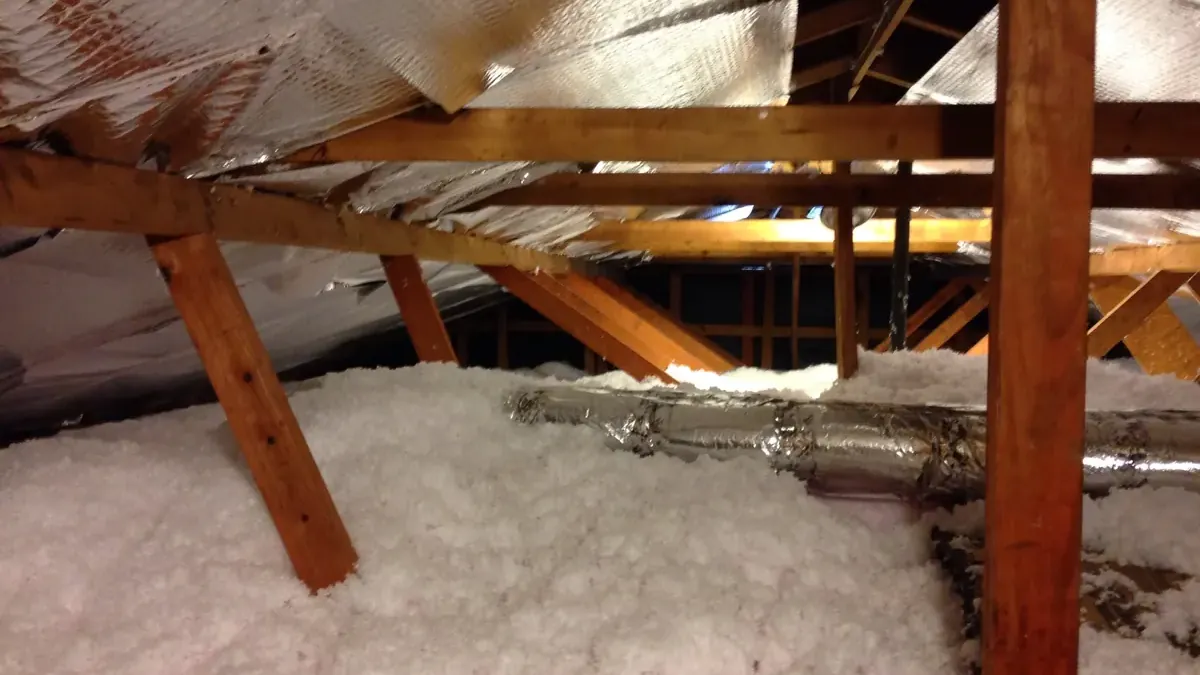
- The roof treatments compared: lime wash, cool coating, reflective tiles, insulation over or under the slab, shade, terrace garden, solar panels, with relative cost, upkeep and who must agree; the Telangana criteria and the quote sheet.
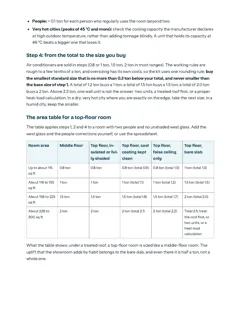
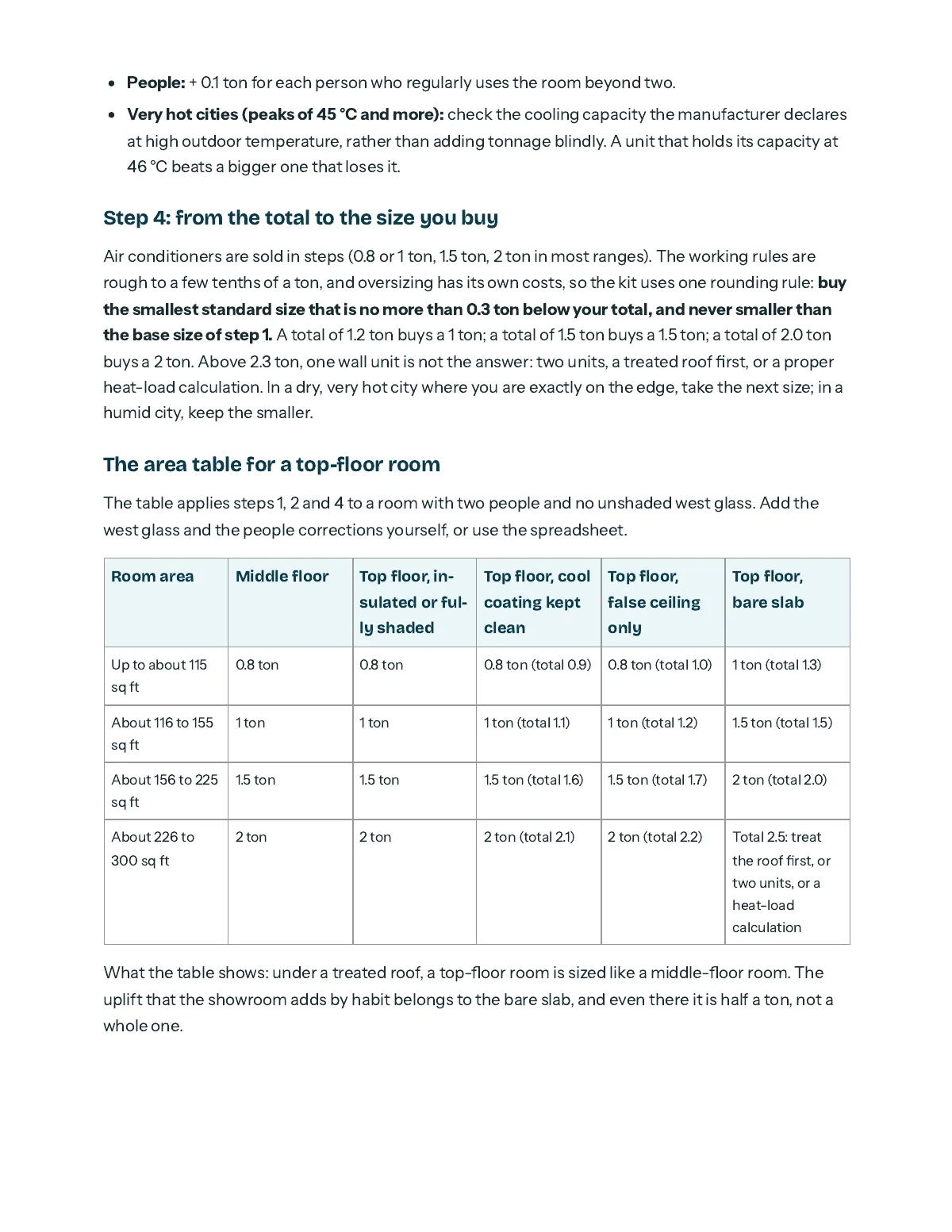
- The tonnage uplift: base tonnage, the uplift for each roof condition, west glass and people, one rounding rule, and the area table for a top-floor room.
- The false ceiling and the air: what it does and does not, planning it around the AC, stratification, the terrace door and the west wall.
- The ceiling fan with the AC: the two degrees, the BEE 24 °C default, the settings in order, the fan’s own units, and the four-night meter test.
- The cost at your slab rate: your real top-slab rate, units per hour by machine, where a top-floor room sits in the band, the label figure scaled to your hours.
- The heat wave plan: IMD criteria and colours turned into household decisions, the pre-summer checklist, the day schedule, the AC on the hottest day.
- Power backup: what an inverter, a battery bank, a society DG, a generator or solar can carry, the backup arithmetic and the fans-only night.
- Questions for the installer and the roof contractor, and ten worked scenarios with every figure recalculated.
Free guides or the printable guide
The free articles answer one question at a time. The guide puts it all in order and gives you the tools to act.
Free guides
€0
57 free articles
- ✓The rules explained, official sources cited
- —The decisions in order, from diagnosis to action
- —21 worksheets and tables to fill in
- —A spreadsheet ready to fill in
- —Print it or keep it as a PDF
India top-floor & heat wave kit
€19
VAT included, paid once
- ✓The rules explained, official sources cited
- ✓The decisions in order, from diagnosis to action
- ✓21 worksheets and tables to fill in
- ✓A spreadsheet ready to fill in
- ✓Print it or keep it as a PDF
As described, or refunded in full
Who it is for
- Households on the top floor of an Indian building, under a concrete terrace, whose bedroom is still warm at eleven at night and whose AC runs all evening without catching up
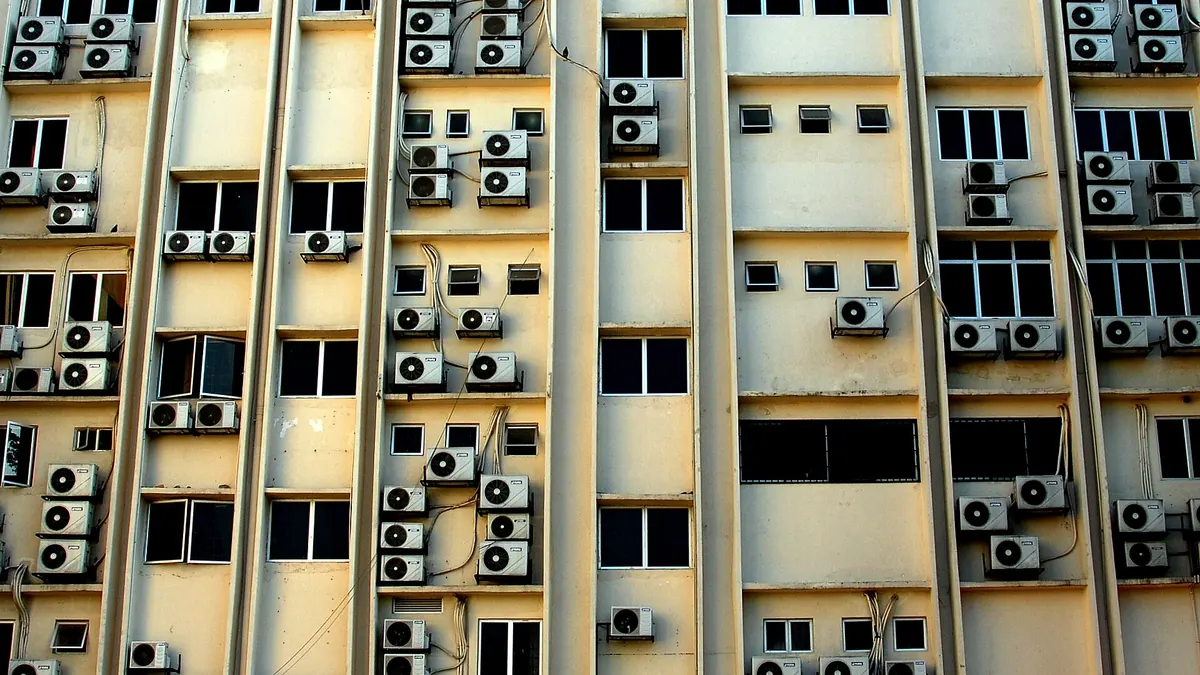
- Anyone about to buy an AC for a top-floor room who wants the tonnage worked out from the area and the state of the roof, not from the showroom's habit of adding a ton
- Owners and societies weighing a cool coating, insulation or shade on the terrace, and tenants preparing the request to the owner
- Families who want a written plan for an IMD orange or red alert week, with the backup that can really carry the AC, the fans or nothing
Contents
- Why the top floor is hotter: the roof check free below
- Reducing the roof's heat: the options compared
- Tonnage for a top-floor room: the uplift by area
- The false ceiling and the air in the room
- The ceiling fan with the AC: the two degrees
- What it costs at your slab rate
- The heat wave plan: IMD alerts and the household
- Power cuts: inverter, generator and society backup
- Questions to ask the installer and the roof contractor
- Ten worked scenarios
In the paid chapters: 49 checkpoints to tick, and 21 worksheets or tables across the guide, each based on the rule or data it cites.
Introduction
On the top floor of an Indian building, the air conditioner is not fighting the room. It is fighting the roof. Two hundred square feet of concrete above the ceiling spend the day absorbing the sun and the evening giving it back, downward, into the bedroom. That is why the ceiling is still warm to the touch at eleven at night, why the AC that was enough on the second floor of the last flat never quite wins here, and why the electricity bill of a top-floor household climbs faster in May than the neighbours' below.
Most of the money lost on the top floor is lost in three places. A bigger machine is bought to fight a roof that a coating or a shade would have tamed for less. A good machine is run at 18 °C with the fan off, because nobody has measured what the fan and two degrees are worth. And when the heat wave arrives with its power cuts, the household discovers that the home inverter sized for lights and fans cannot carry the AC, at the worst possible hour.
This kit takes those three problems in order. It explains where the heat comes from and how to check your own roof. It compares the roof treatments (reflective coating, insulation over or under the slab, shade, terrace garden, solar panels) with what each does, what it costs relative to the others, who must agree and how to choose. It gives the tonnage uplift for a top-floor room, area by area and roof by roof, and a spreadsheet that applies it room by room. It sets out the false ceiling, the ceiling fan and AC settings and a meter test that tells you what they save. It turns your slab rate into a cost per night. It gives a household plan for IMD heat wave alerts, the arithmetic of inverter, generator and society backup, the questions to ask the installer and the roof contractor, and ten worked scenarios with every calculation shown.
How to use it: read chapter 1 and do the roof check before you buy anything. Chapter 2 is the roof treatment, chapter 3 the tonnage, with the area table. Chapter 4 is the false ceiling and the air movement, chapter 5 the ceiling fan with the AC, chapter 6 the cost at your own tariff. Chapter 7 is the heat wave plan, chapter 8 the power backup, chapter 9 the questions for the installer and the contractor, chapter 10 the ten scenarios. Print it (Ctrl+P or Cmd+P, then "Save as PDF", or print on paper). The sizing worksheet of chapter 3 is also on your access page as a spreadsheet that applies the rules room by room.
The rules are quoted from their sources: the cool roof criteria of the Telangana Cool Roof Policy 2023-2028, the Bureau of Energy Efficiency's star label and its 24 °C default setting for room air conditioners, the Eco Niwas Samhita residential energy code, the heat wave criteria and colour codes of the India Meteorological Department, the heat wave guidance of the National Disaster Management Authority, the elevated air speed method of ASHRAE Standard 55, and a measured study of cool roofs in Ahmedabad homes. The tonnage working rules are adapted from those of our India AC buyer's pack, with the area bands rounded to leave no gap between them, and the units-per-hour bands are those of the same pack. Electricity tariffs are set by each state commission and billed in slabs, so we never use a state's tariff: the ₹5, ₹7 and ₹9 columns are calculation points to replace with the top-slab rate on your own bill. Roof treatment prices vary by city, area and contractor, so we do not publish rupee rates: where a scenario uses a quote, it is an example input and it is labelled as such.
Chapter 1: Why the top floor is hotter: the roof check
A middle-floor flat has a conditioned or at least shaded flat above it. A top-floor flat has the sky. The difference is not the air temperature on the weather app, which is the same for both: it is the surface temperature of the terrace and the heavy concrete under it.
What the slab does, hour by hour
- Morning to afternoon: a bare, dark concrete terrace in direct sun runs far above air temperature. The sun's radiation is absorbed at the surface, and the surface heats the slab.
- Late afternoon to night: concrete is heavy. It does not pass the heat through instantly; it stores it and releases it over hours. The peak heat flow into the room below arrives in the evening, several hours after the solar peak, exactly when the family comes home, closes the doors and switches the AC on.
- At night: the ceiling behaves like a warm panel above the bed. Even when the air in the room reaches the setpoint, the warm ceiling radiates onto the people under it, which is why a top-floor room at 26 °C can feel warmer than a middle-floor room at 26 °C.
This is also why night ventilation, which works well on a middle floor, disappoints upstairs: you are ventilating a room with a heater in the ceiling.
Where the heat comes from, ranked
| Path | Middle floor | Top floor, untreated |
|---|---|---|
| Roof slab | None: a flat above | Often the largest single part of the room's load |
| West or south-west wall | Significant in the late afternoon | Significant, and it stacks on the roof gain |
| Windows in direct sun | Large where unshaded | Large, sometimes worse where a bright terrace reflects light into them |
| Terrace door | Not applicable | A metal door in sun acts as a small radiator |
| Infiltration and door opening | Moderate | Moderate |
| People, lights, appliances | Modest and constant | Modest and constant |
The ranking decides the order of attack. On a middle floor, windows come first. On the top floor, the roof usually comes first, and the interventions that fix it cost less per degree than any extra tonnage.
The roof check (do it once, on a hot day)
- At about 10 p.m. on a hot day, touch the ceiling of the bedroom with the back of your hand (a ladder, a stool, someone holding it). Warm to the touch: the slab is releasing the day's heat.
- Go up to the terrace in the afternoon, with footwear. Note the finish: bare concrete, dark waterproofing, tiles, broken china mosaic, white coating (clean or dusty), shade, garden, solar panels.
- Note what is above your rooms exactly: open terrace, water tank, staircase head room, solar panels, a neighbour's pergola.
- Note the walls of the room that face west or south-west and whether they are shaded.
- Note the terrace door: material, sun on it in the afternoon, gaps around it.
- Find out who decides about the terrace: you as owner of a bungalow, the owner of your flat, the society or the RWA, or a common area nobody manages.
- Note the evening pattern of your AC: how long it takes to bring the room down after switching on, and whether it ever stops cycling before midnight.
- Note the units your meter shows over one night of AC (switch on and off readings, no other big appliance running): it is your baseline for chapters 5 and 6.
Your roof record (fill in)
| Item | Your answer |
|---|---|
| Rooms directly under the terrace | |
| Terrace finish today | |
| Shade on the terrace (none, partial, most) | |
| West or south-west walls of these rooms, shaded or not | |
| Terrace door: material, sun, gaps | |
| Ceiling warm to the touch at 10 p.m. (yes, no) | |
| Who decides about the terrace | |
| Units over one night of AC, before any change | |
| Hours the AC needs to bring the room down after switching on |
With this page filled in, the rest of the kit applies to your flat rather than to an average one.
Checkout by Stripe
Card, Apple Pay or Google Pay on Stripe’s secure page. Your card details never pass through our servers.
Instant access
Your guide opens right after payment, ready to save as a PDF. Receipt by email; “Find my purchases” resends the link.
VAT included, paid once
The price shown is the total. No subscription, nothing charged later.
Sources you can check
7 official sources cited in this guide. We install nothing and sell no equipment. Terms of sale.
Frequently asked questions
How do I receive the guide?
Right after payment you are taken to your guide page, with the spreadsheet to download. Bookmark it: the link stays valid and always shows the latest version. To keep a PDF, save it from your browser (Ctrl+P or Cmd+P, then "Save as PDF"): the layout is made for printing. Stripe emails you the receipt, and "Find my purchases" at the bottom of every page sends the link again.
Is VAT included? Is it a subscription?
€19 is the total you pay, VAT included, once. There is no subscription and nothing is charged later. Your card details go to Stripe and never reach us.
Why is the price in euros?
The kit is sold by a French company through Stripe and charged in euros: the price shown is the total, paid once. Your bank converts it to rupees at its own rate and may add a foreign-transaction fee. Your card must be enabled for international online payments.
I already have the India buyer’s pack. Is this the same?
No. The buyer’s pack chooses and sizes the AC for any room, with one line for the top floor. This kit is the top floor itself: the roof treatments and how to choose one, the uplift by roof condition and area, the false ceiling, the fan and AC settings with a meter test, the heat wave plan and the backup, with ten worked scenarios.
Does it tell me what a roof coating costs in my city?
No: roof prices change by city, area, contractor and year, and we will not print a rate we cannot check. The kit ranks the options by relative cost, gives the specification to ask for and a quote sheet to compare the real prices you receive, and shows how to measure the result on your meter.
Is it medical advice for a heat wave?
No. The heat wave chapter is a household plan: IMD alerts, the schedule of the day, the cool room, the AC and the backup. Health questions are for a doctor and the health authorities, and an emergency is a call to 108 or 112.
What is the guarantee?
The guide is guaranteed as described: if it does not open or contains an error, we fix it, and if we cannot, we refund you in full (refund policy in the terms of sale). Write to admin@tech-bharat.com. A duplicate payment is always refunded.
Free guides on the same topic
- The top-floor flat: why the roof, not the AC, decides how hot you are
- Heatwave warnings in India: what the IMD colours mean and what to do
- Running a ceiling fan with the AC: the two degrees it buys you
- Does an AC really cool at 52 °C? Brochure claims against real capacity
All printable guides and packs
€19 is the total you pay, VAT included: nothing is added at checkout. Payment by Stripe; your statement shows “CLAUDE AC”. See our terms of sale, which include our refund policy. Access is immediate after payment. Claude AC is an information publisher; the guide is not legal, engineering or financial advice.